In the internet era, the performance of servers directly affects the access speed of websites and user experience. How to improve the stability and speed of the server is an urgent issue for Malaysian users. This article will introduce some practical tips to help you optimize Malaysian servers for smoother operation.
Choosing the right server type is crucial in addressing the issue of lag in Malaysian servers. In general, you can choose a shared host, virtual private server (VPS), or dedicated server. Shared hosting is suitable for small websites, but may cause slower speeds during traffic peaks. VPS provides higher performance and stability, suitable for medium-sized websites. And independent servers are the ideal choice for large websites, offering the highest speed and reliability. Therefore, selecting the appropriate server type according to your needs can effectively enhance server performance.
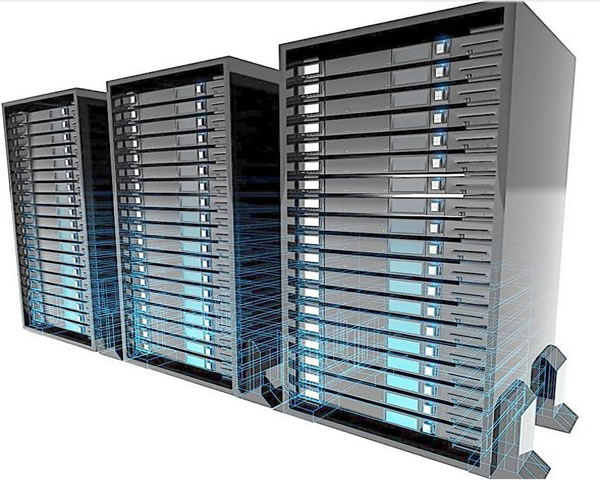
Another important factor in improving the performance of Malaysian servers is to optimize the server configuration. Ensure that the operating system and software versions on the server are up to date, which not only improves performance but also enhances security. In addition, reasonably configuring server memory and CPU resources to avoid resource waste can also improve response speed. Regular maintenance and optimization of the database can further improve the efficiency of data processing and ensure smooth operation of the server even under high concurrency.
Content Delivery Network (CDN) is used to enhance Malaysian server A smooth-working tool. CDN reduces latency and loading times by forwarding user requests to the nearest server through nodes deployed around the world. Using a CDN can significantly enhance the user experience, especially during peak traffic times. Choosing the right CDN service provider can help you better distribute network load and ensure that your website remains highly efficient at all times.
Regular monitoring and maintenance are important aspects of improving the performance of Malaysian servers to prevent lag. By using monitoring tools to promptly identify performance bottlenecks and faults in servers, potential issues can be effectively avoided. In addition, regularly checking the security of the server and promptly updating the firewall and antivirus software can prevent the impact of malicious attacks on server performance. Maintaining the health of the server can provide users with a more stable network experience.
The content and code quality of a website directly affect the server's response speed. Optimize website content and reduce unnecessary images and video elements to effectively decrease page load time. In addition, adopting a simplified code structure and reducing the number of HTTP requests can also improve the server's processing efficiency. Using asynchronous loading and lazy loading techniques can further enhance the user experience and ensure smooth access. These optimization measures not only reduce the server load but also improve the overall website performance.
Finally, choosing a reliable network service provider is the foundation for improving the performance of Malaysian servers. High-quality service providers usually offer better hardware facilities, faster network speeds, and more stable connections. By comparing the evaluations and performance of different service providers, selecting a network service provider that suits your needs can provide solid support for your server, ensuring its long-term stable operation.
Practical tips to improve the performance of Malaysia servers and avoid lag cover multiple aspects, from selecting the appropriate server type to optimizing configuration and content, all of which can significantly enhance server performance. It is recommended that users regularly monitor and maintain the server, closely watch its status, and continuously adjust and optimize strategies according to their needs. By using the above methods, you will be able to provide users with a smoother and more stable network experience, thereby improving the overall performance of the website.
- Latest articles
- How To Optimize The System To Improve Bandwidth Utilization And Speed After Purchasing A Vps In Thailand
- Common Misunderstandings About How To Connect To Vietnam Servers To Avoid Triggering Regional Bans
- GP Singapore Server Stability In-depth Evaluation And Deployment Best Practice Guide
- Website Migration Case Sharing SEO And Speed Changes After Switching Between Hong Kong Vps And Japanese Vps
- The Technical Team’s Experience Discusses The Three Core Indicators For Choosing The Best Vps In Korea
- Performance Tuning And Monitoring Methods Of Vietnam Cn2 Network In High Concurrency Scenarios
- Buy Cloud Servers In Thailand At Low Prices, Compare Manufacturer Discounts And Long-term Operation And Maintenance Costs
- Enterprise Deploys Japanese Native Dynamic IP Address Load Balancing And Failover Solution
- Use Vietnam's Native IP Cloud Server To Build A Private VPN And Corporate Intranet Acceleration Solution
- How To Choose The Appropriate HKEX Computer Room Server Configuration For Financial Business
- Popular tags
-

Analysis Of The Unique Advantages Of Triple Network Cn2 Malaysia
analyze the unique advantages of triple network cn2 in malaysia and explore its superiority in network performance, stability and service quality. -

How To Establish A Stable Connection To LOL’s Malaysian Server In Your Country: A Complete Guide To Network Optimization
A comprehensive guide for domestic LOL players on connecting to and optimizing the Malaysian server, covering the principles of latency and packet loss, local network settings, route detection, recommendations for compliant cross-border acceleration, client and system optimization, as well as common troubleshooting methods. -

Operation And Maintenance Case Interpretation Cn2 Malaysia Common Faults And Quick Recovery Methods
this article explains the common faults and quick recovery methods of cn2 malaysia through operation and maintenance cases. it covers the key points of rapid location and processing of problems such as link interruption, packet loss and high delay, unstable bgp routing, and dns anomalies. it is suitable for reference by network operation and maintenance engineers.